
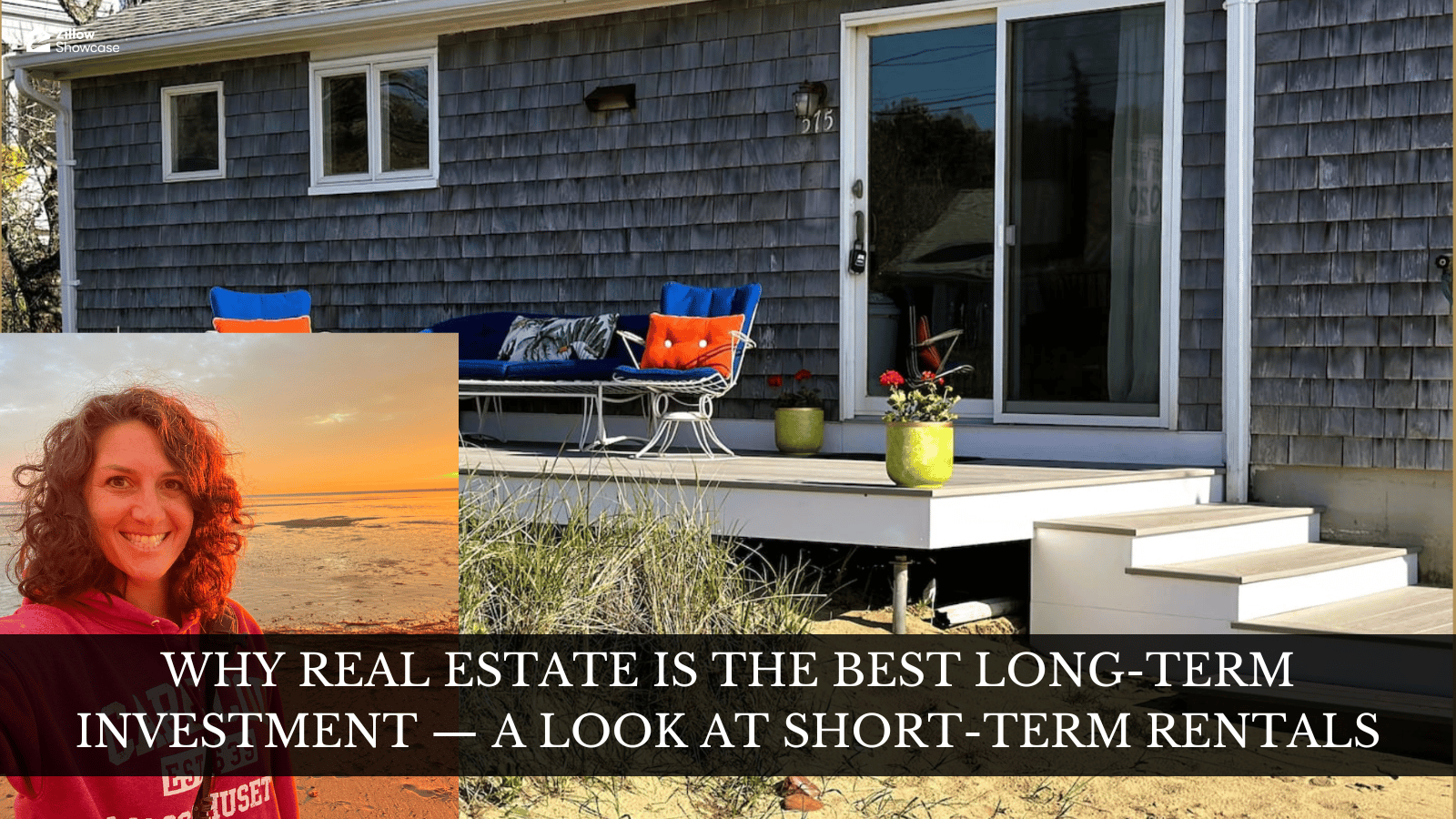
When people ask me why I believe so strongly in real estate, my answer is simple: it creates both financial growth and lifestyle value. Unlike other investments, a well-chosen property not only appreciates over time, it can also generate income along the way. That’s especially true in the short-term rental (STR) market, which has grown tremendously over the past decade.
Real Estate’s Long-Term Value
According to the National Association of REALTORS®, the median existing-home sale price in the U.S. has risen every year for the past 11 years, with national prices up more than 110% since 2012 (NAR, 2023). That steady appreciation shows why so many Americans build wealth through property ownership.
Real estate also provides a unique advantage: while your property value grows, you can generate income at the same time — through rent. This dual benefit makes real estate one of the most resilient long-term investments available.
The Rise of Short-Term Rentals
Platforms like Airbnb and Vrbo have reshaped how people travel, and the demand for vacation rentals remains strong. Globally, the short-term rental market was valued at over $100 billion in 2022, with projections showing continued growth in the years ahead (Statista, 2023).
Closer to home, Cape Cod is a prime example. According to AirDNA data:
- Eastham, MA (where I just purchased 118 Bay Road) averages 63% occupancy, with an average daily rate of $439 and strong peak-season demand.
- Neighboring Wellfleet, MA averages even higher, at 75% occupancy and $482/night.
These numbers demonstrate why short-term rental properties can be both a lifestyle purchase and a strong investment.
Why STRs Make Sense on Cape Cod
Cape Cod continues to be one of New England’s most sought-after destinations. Families return year after year for the beaches, biking trails, and classic Cape charm. Homes close to the water, with features like screened porches, rooftop decks, and outdoor showers, are consistently in demand.
That means properties here aren’t just vacation homes, they’re income-producing assets that can appreciate in value while covering expenses through rental revenue.
Key Considerations
While the opportunity is strong, investors need to be mindful of:
- Local regulations: Many Cape towns require STR permits or have occupancy limits.
- Seasonality: Income is highly concentrated in the summer months, so smart budgeting is essential.
- Management costs: Cleaning, repairs, and guest services are part of the equation.
Handled correctly, though, short-term rentals can provide both steady income and long-term equity growth.
The Takeaway
Real estate has always been a powerful wealth-building tool, and the short-term rental market amplifies that potential. With the right property in the right location, you can enjoy the lifestyle benefits today while building long-term financial security for the future. That’s why I don’t just talk about investing in real estate - I do it myself.