Torn between Needham, Newton, and Wellesley? When you are relocating or moving up, choosing the right suburb shapes your daily routine, budget, and long-term plans. Each town delivers strong schools, solid commute options, and a lively local scene, but the trade-offs are different. This guide gives you a clear, side-by-side look so you can align your priorities with the town that fits best. Let’s dive in.
Schools: what to know
All three districts are highly rated for academics and student outcomes. Independent ranking sites often place Wellesley and Newton among the top districts statewide, with Needham also performing at a high level well above state averages. Because rankings shift by methodology and year, it helps to look beyond a single list and focus on fit, program breadth, and the specific school assignment for your address.
- Wellesley: Frequently near the top of statewide lists based on third-party snapshots such as the district’s Niche profile. Expect strong AP and college-prep participation and a wide range of extracurriculars.
- Newton: A multi-high school city with a reputation for academic rigor and extensive course offerings. The district’s At-a-Glance page is a good starting point for program scope and enrollment.
- Needham: Also highly rated, with strong outcomes and a collaborative school community. See the district’s Niche overview for recent ranking snapshots.
Tip for parents: Verify the specific school assignment for any property you are considering. Boundaries, feeder patterns, and program locations can influence your decision as much as overall district reputation.
Commute and transit options
These towns sit in a sweet spot for Greater Boston access. Most residents report average one-way commutes in the high 20-minute range, though your time will vary by address, route, and schedule. Regional planning studies outline typical rail patterns and travel-time ranges across MetroWest, which helps set expectations before you test your exact route in real conditions.
- Wellesley: Three MBTA commuter rail stations on the Framingham or Worcester Line offer direct service to Back Bay and South Station. Village-centered stops make rail a practical option if you live nearby.
- Needham: The Needham Line provides direct commuter rail service to South Station from several local stops. Schedule frequency makes rail feasible for many weekday commuters. Riders should test door-to-door timing.
- Newton: Multiple Green Line D-branch stations plus commuter rail stops give you a flexible mix of subway-style frequency and peak rail service. This can be a plus if you need mid-day or off-peak options.
Helpful sources: A regional transit analysis from the Boston MPO outlines service patterns and transfer impacts, and Census QuickFacts shows mean travel times by town, such as Newton’s commute profile.
How to test your commute:
- Run your drive and rail trips during your actual peak windows.
- Check parking rules and permit details at your target station.
- Monitor planned MBTA service changes before you rely on a specific train.
Housing and price landscape
You will find classic New England architecture across all three towns, but the mix and price tiers differ.
- Overall price tiering: Wellesley often sits at the top of the local price range, Newton commonly lands in the middle, and Needham is frequently positioned as a value-oriented alternative. Vendor snapshots vary month to month because of small sample sizes, but recent examples illustrate the spread. For instance, Redfin’s January 2026 medians estimated Needham around $2.57M, Newton around $1.50M, and Wellesley around $1.97M, while Zillow’s ZHVI showed a lower typical value for Needham and a similar value for Wellesley. Treat monthly medians as directional and cross-check a 12‑month median in the current MLS before you set expectations.
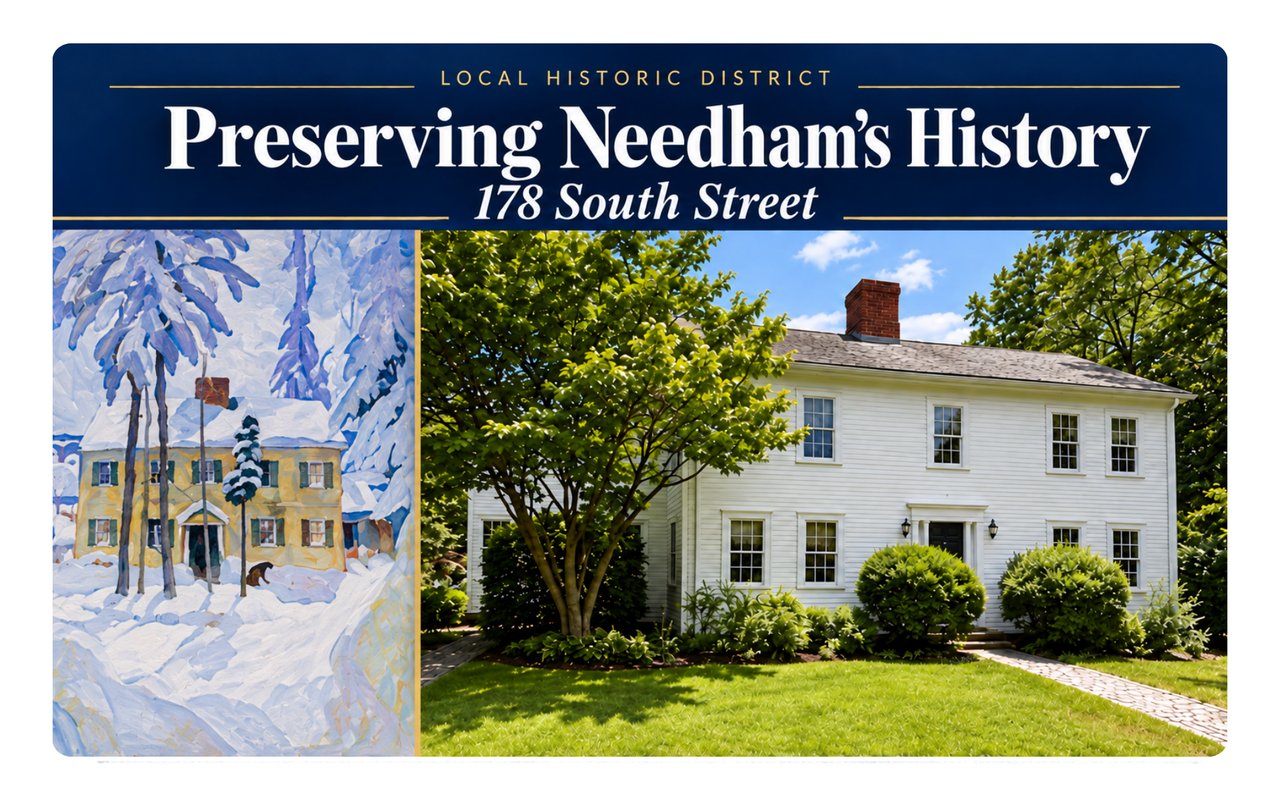
- Needham housing types: Early 20th-century Colonials and Capes, mid-century homes, and steady waves of new-construction rebuilds on suburban lots. See a neighborhood-level snapshot on PropertyFocus for housing-era trends.
- Newton housing types: Highly varied by village, from larger Victorians and Colonials to mid-century and renovated homes, plus some multifamily pockets. Expect more neighborhood-to-neighborhood variety inside the city.
- Wellesley housing types: A concentration of larger lots and estate-scale properties in several areas, with a walkable downtown core and some condo or townhouse options near Wellesley Square. Inventory skews higher priced, which can pull medians upward.
Pricing tip: Use ranges rather than a single number when planning. Single-family homes can vary widely by street, lot size, and renovation level, so rely on live comps and a 12-month median for a steadier read.
Lifestyle and amenities
Each town offers a distinct day-to-day feel. Your preference for village centers, walkability, and cultural anchors can make a big difference in your choice.
- Needham: Two lively village centers in Needham Center and Needham Heights give you cafés, restaurants, and small-town retail with a classic New England vibe. Many neighborhoods enjoy easy access to parks and local recreation.
- Newton: A network of villages, including Newton Centre and Newton Highlands, means you have multiple hubs for dining, local shops, and community programming. The village structure is a standout feature if you want variety without leaving town.
- Wellesley: Wellesley Square and Linden Square form a strong downtown with high-quality local retail. Proximity to Wellesley College adds cultural programming and a scenic campus environment.
Which town fits your priorities
Use these quick cues to narrow your search:
- You want the narrowest top-of-state academic rankings and a walkable downtown near commuter rail: Consider Wellesley.
- You value transit flexibility, village variety, and frequent off-peak options: Consider Newton.
- You want strong schools and often more space at a given budget, with an in-town village feel: Consider Needham.
Your decision checklist
Work through this short list to confirm fit before you write an offer.
- Schools and assignment: Confirm the school assignment for your specific address and compare program offerings that matter to you. Use district resources along with third-party snapshots such as Niche’s district pages for Needham and Wellesley, plus Newton’s district overview.
- Commute test: Time your actual morning and evening trips and check parking rules at your station. A regional Boston MPO transit analysis can help you compare mode options and transfers.
- Budget and comps: Review a 12‑month median and price-per-square-foot for your target neighborhood, then drill into live comps with your agent. Treat single-month medians as directional.
- Housing fit: Prioritize lot size, renovation level, and architectural style. In Needham, explore how rebuild activity aligns with your preference for new construction or classic charm. A trends snapshot like PropertyFocus for Needham can add helpful context.
- Daily life: Walk the downtown, visit parks, and test your weekend routine. Try your favorite coffee spot, grocery run, and playground or trail to confirm the lifestyle match.
Partner with a Needham-based advisor
The right guide makes this choice easier. You get clear market data, on-the-ground neighborhood insight, and a plan that balances schools, commute, and lifestyle with your budget. If you are weighing Needham, Newton, or Wellesley, reach out to schedule a planning call with Alison Borrelli to map your options and move forward with confidence.
FAQs
How do school rankings compare across Needham, Newton, and Wellesley?
- Third-party snapshots often place Wellesley and Newton near the top statewide, with Needham also highly rated; check recent profiles on Niche and confirm your specific school assignment before deciding.
What are typical commute times into Boston from these towns?
- Census estimates show mean one-way commutes in the high 20-minute range, but you should test your door-to-door trip and review the Boston MPO’s transit analysis for service patterns.
How do home prices differ among Needham, Newton, and Wellesley?
- Wellesley often leads on price, Newton typically sits in the middle, and Needham is frequently perceived as a value alternative; vendor medians can diverge, so rely on a 12‑month median and live comps before offering.
What housing styles are common in each town?
- Expect classic Colonials and Capes in Needham with steady new-construction rebuilds, a wide style mix by village in Newton, and larger-lot or estate-scale properties with a walkable core in Wellesley.
Is commuter rail or the Green Line better for a hybrid schedule?
- If you need frequent off-peak service, Newton’s Green Line can offer more flexibility, while Wellesley and Needham’s commuter rail can be efficient for peak-hour trips; test both against your exact office times.