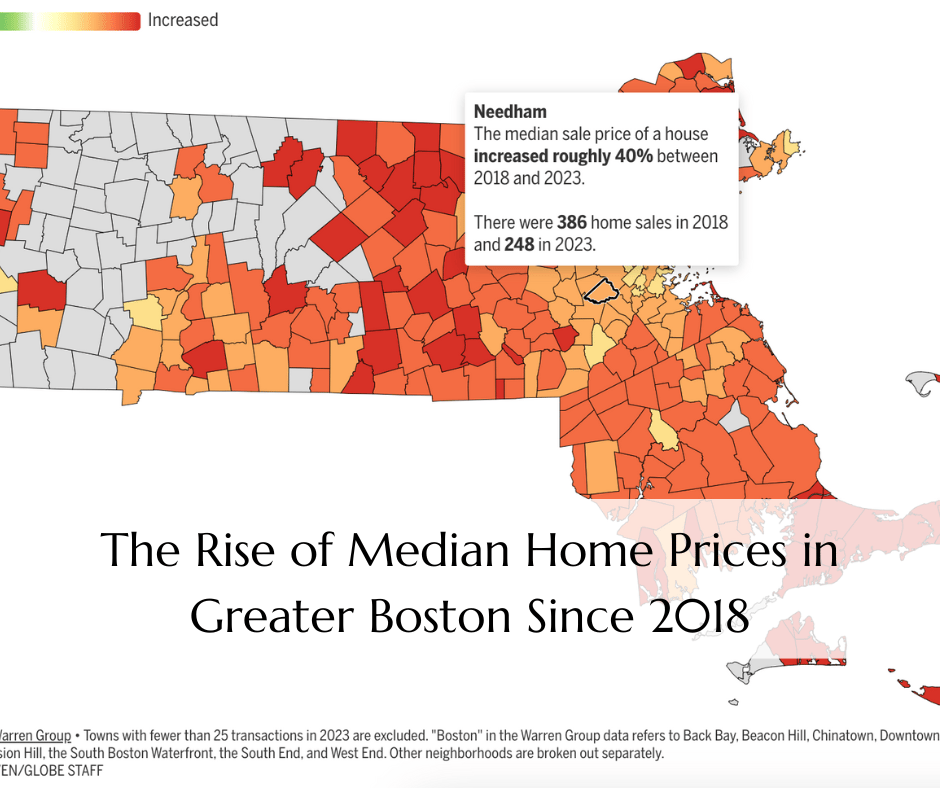
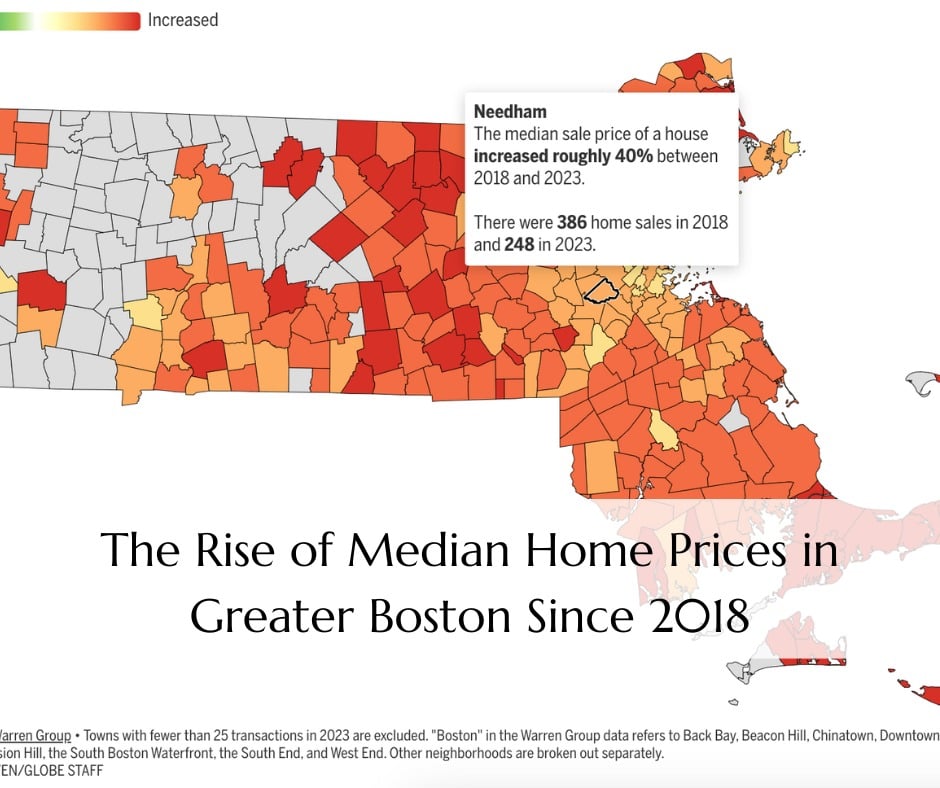
The Greater Boston area has experienced a significant surge in median home prices over the past few years. This trend reflects the broader changes in the real estate market, influenced by various factors including economic conditions, demand for housing, and demographic shifts.
Historical Trends Since 2018
Since 2018, the median home price in the Greater Boston area has seen a steady increase. Here's a breakdown of the median prices year by year:
- 2018: The median home price started at approximately $600,000, a notable figure that set the stage for future growth.
- 2019: By the end of 2019, prices had risen to around $630,000, reflecting a year-over-year increase of about 5%.
- 2020: The COVID-19 pandemic brought unexpected challenges but also fueled a housing boom. The median price surged to $680,000 as more people sought larger living spaces.
- 2021: Continued high demand and limited inventory pushed prices further, reaching nearly $730,000.
- 2022: The trend continued, with the median price climbing to $780,000, driven by both local demand and an influx of buyers from other regions.
- 2023: Despite economic uncertainties, the market remained strong, with median prices hitting $820,000.
- 2024: According to the latest data, the median home price has now reached $850,000, marking a significant increase over the six-year period.
Factors Driving the Increase
Several factors have contributed to the rise in home prices in the Greater Boston area:
- High Demand: The demand for housing in the Boston area remains robust, driven by its strong job market, educational institutions, and overall quality of life.
- Limited Inventory: The supply of homes has not kept pace with demand, leading to increased competition among buyers.
- Economic Conditions: Low interest rates in recent years have made borrowing cheaper, enabling more people to afford higher-priced homes.
- Urban to Suburban Shift: The pandemic accelerated a shift from urban centers to suburban areas, where people sought more space and remote work opportunities.
Regional Highlights
The increase in median home prices is not uniform across the Greater Boston area. Some regions have seen more dramatic rises than others. For instance:
- Cape Cod: The Cape has experienced one of the highest increases in median home prices, influenced by its appeal as a desirable location for both year-round residents and vacation homes.
- Inner Suburbs: Areas closer to Boston, such as Newton and Wellesley, have also seen significant price hikes due to their proximity to the city and excellent amenities.
Looking Ahead
The future of the real estate market in the Greater Boston area remains promising but uncertain. Factors such as interest rate changes, economic shifts, and evolving work-from-home trends will continue to influence home prices. For buyers and sellers, staying informed about market trends and working with knowledgeable real estate professionals will be crucial for making informed decisions.
Conclusion
The rise in median home prices in the Greater Boston area since 2018 underscores the dynamic nature of the real estate market. While the increases present challenges for buyers, they also highlight the enduring appeal and economic strength of the region. As we look forward, understanding these trends will be essential for navigating the market effectively.
For more detailed data and visualizations of the median home price increases, you can refer to the comprehensive report and interactive map by the Boston Globe here.