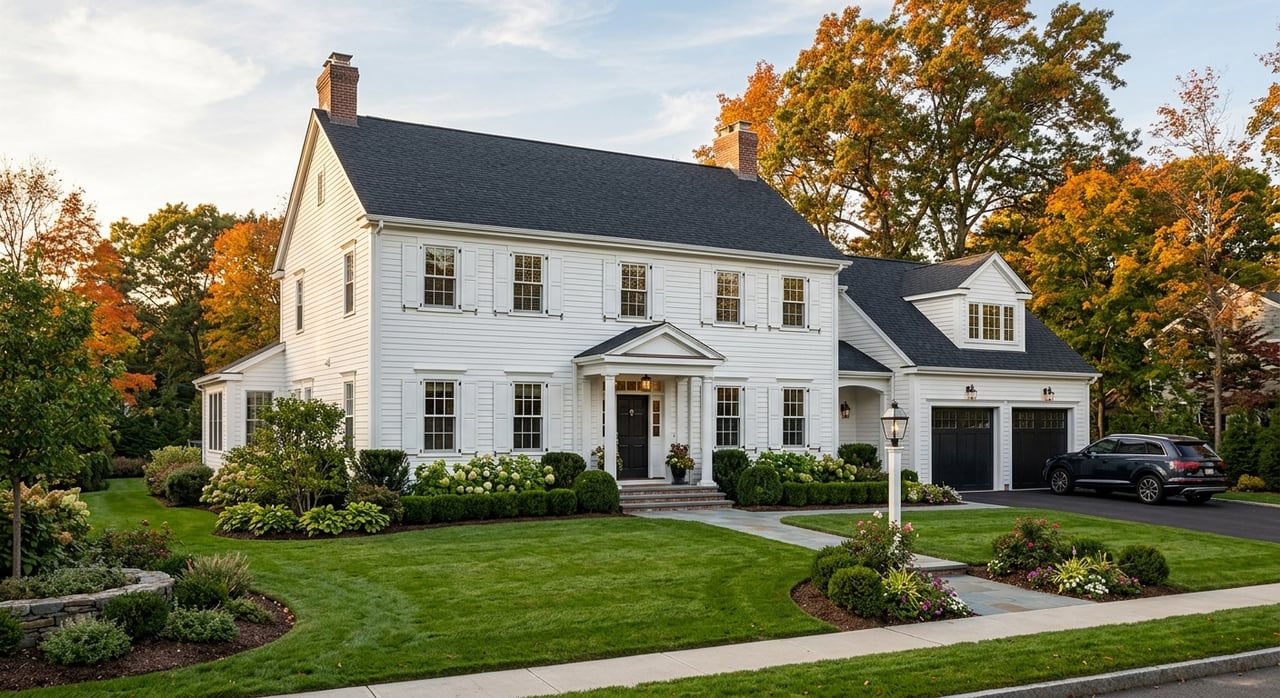
If you work in Boston or Cambridge, moving to Newton can feel like a smart next step, but only if the commute fits your real life. You may want more space, a village center feel, or better alignment with a hybrid schedule, yet still need a practical trip into the city. The good news is that Newton offers several commute options, from rail and bus access to major road connections and bike routes. The key is knowing that in Newton, your exact location matters more than the town name alone. Let’s dive in.
Why Newton Appeals to Commuters
Newton has long functioned as a former streetcar suburb, and that history still shapes how the city works today. Many of its village centers and commercial areas developed around train stations, which means access can vary a lot from one part of the city to another.
That matters if you are comparing Newton with Boston, Cambridge, or nearby suburbs. Newton’s mean travel time to work is 26.6 minutes, compared with 25.8 minutes in Cambridge and 30.3 minutes in Boston. These are broad averages, not door-to-door estimates, but they show that Newton can be very workable for many commuters.
For buyers relocating from the city or from out of state, this is an important mindset shift. Newton is not a one-size-fits-all commute town. It works best when you match the right village, transit option, or road access point to your actual office location.
Start With Your Real Commute
If you are considering relocating to Newton, start with the trip you expect to make each week. That means more than asking, “How far is Newton from Boston?” You will get a more useful answer by asking a few practical questions.
Ask These Commute Questions
- Where is your office actually located?
- How many days per week will you commute?
- Do you want rail access, bus access, or quick highway access?
- Are you open to biking or combining bike and transit?
- Do you need flexibility for Boston one day and Cambridge the next?
This approach is especially useful for hybrid workers. Newton has strong digital infrastructure, with 98.1% of households reporting a computer and 96.9% subscribing to broadband internet. If you only commute a few days a week, your housing priorities may look very different than they would for a five-day in-office schedule.
Newton Transit Options at a Glance
Newton offers a genuinely multi-modal transportation network. Depending on where you live, you may have access to train service, express bus routes, local buses, driving corridors, and bike paths.
Green Line D Branch
The Green Line D branch is one of Newton’s most commuter-friendly assets for Boston- and Brookline-oriented travel. Newton’s seven D branch stations are:
- Riverside
- Woodland
- Waban
- Eliot
- Newton Highlands
- Newton Centre
- Chestnut Hill
The line runs east through Newton and Brookline into Boston and Somerville. If your destination is in that direction, living near one of these stations can be a strong fit.
Framingham/Worcester Line
For east-west rail commuters, Newton also has commuter rail access on the Framingham/Worcester Line. The Newton stations are:
- Auburndale
- West Newton
- Newtonville
These villages may be especially worth a closer look if commuter rail access lines up with your work pattern.
Bus Routes and Shuttles
Newton also has more than 10 MBTA bus routes and shuttles. For many commuters, the most useful examples include routes 501, 504, and 505 for Back Bay and Downtown trips.
Other local or cross-town connections include:
- 52
- 57
- 59
- 60
- 553
- 554
- 556
- 558
If you are trying to live car-light, bus access can be a deciding factor, especially when paired with rail service or a walkable village center.
Driving Access
For some buyers, rail is not the main story. Newton also has strong access to I-90, I-95/Route 128, Route 9, Route 16, and Route 30.
If your office is along Route 9, near Route 128, or in a location where driving is simply more practical, this road network can be a major advantage. In those cases, being close to the right highway connection may matter more than being close to a station.
Bike and Path Connections
Newton’s transportation options also include more than 20 miles of bike lanes and paths. The Charles River Reservation shared-use paths connect Newton to Waltham, Watertown, Cambridge, and Boston.
For some commuters, especially hybrid workers, this can open up flexible options for biking or combining a bike trip with another mode of transit. It also adds day-to-day convenience even when you are not commuting to an office.
Best Newton Areas for Boston Commuters
If your work is centered in Boston or Brookline, the strongest fit is often along the Green Line D corridor. That is because the line directly links Newton with Brookline and Boston, making it one of the clearest commute patterns in the city.
Villages Along the D Line
These station-based areas often stand out for Boston-oriented buyers:
- Riverside
- Woodland
- Waban
- Eliot
- Newton Highlands
- Newton Centre
- Chestnut Hill
The practical benefit here is predictability. If you know your workdays depend on train access into Boston, focusing your search along the D branch can help narrow your options quickly.
That said, not every Boston commute is the same. A Back Bay destination may point you toward one strategy, while a Downtown schedule may make certain express bus routes more appealing. This is why route-testing your actual trip matters so much.
Best Newton Areas for Commuter Rail Riders
If commuter rail is your preferred mode, or if your work travel follows an east-west pattern, three Newton villages deserve extra attention. Those are Auburndale, West Newton, and Newtonville, which are the city’s stops on the Framingham/Worcester Line.
For some buyers, these locations offer a clearer match than the Green Line. They can be especially helpful if your routine depends on commuter rail timing rather than trolley access.
This is also where local planning becomes valuable. A home that looks similar on paper can feel very different depending on how easily you can reach the station, how often you commute, and whether you also need quick road access.
What Cambridge Commuters Should Know
Cambridge commuters should take a more careful, route-specific approach. Newton does have direct shared-use path connectivity to Cambridge through the Charles River Reservation network, which can be a real benefit depending on your routine.
At the same time, Newton’s published rail and express-bus network is more clearly centered on Boston and Brookline. That does not mean a Cambridge commute will not work. It means the best setup may be more likely to involve driving, biking, or a bike-plus-transit pattern, especially for hybrid workers.
Cambridge Commutes Need Testing
If your office is in Cambridge, do not rely on a general impression of Newton. Test your likely route during the times you would actually travel.
A daily Cambridge commute may change your ideal home search more than a Boston commute would. In many cases, the answer is less about “best village overall” and more about your exact office location, your schedule, and whether you need flexibility across multiple commute modes.
Hybrid Work Changes the Equation
One of the biggest reasons buyers are drawn to Newton is that it can support both commuting and staying local. With high broadband access and high computer ownership, Newton is well suited to hybrid work.
That opens the door to a different kind of home search. If you commute two or three days a week instead of five, you may be more willing to trade a perfect rail stop for a home, village center, or road connection that better supports your overall lifestyle.
Newton’s walkable village centers, regional shopping, and office park access also support this flexibility. You may not need the same daily transit setup as someone who is in the office every weekday.
Car-Light or Car-Dependent?
A big question for many relocators is whether they can live car-light in Newton. The answer depends heavily on where you buy and where you work.
If you choose a location near a Green Line station, commuter rail stop, or useful bus route, a lower-car lifestyle may be realistic for your household. If your job is along Route 9 or Route 128, or if your Cambridge commute is complex, driving may still play a major role.
Neither setup is better in a general sense. The goal is to choose a location that fits the way you actually move through the week.
How to Narrow Your Newton Home Search
When you are relocating, it helps to look at Newton through a commute-first lens before you focus on style, layout, or even village name. That does not mean the home itself matters less. It means daily logistics should help shape the search from the beginning.
A Simple Newton Search Strategy
- Identify your office location or locations
- Decide how many days per week you will commute
- Choose your preferred mode: rail, bus, bike, or car
- Prioritize villages that match that mode
- Test your likely route before making a final decision
This kind of planning can save time and reduce second-guessing. It also helps you make a move that feels good not just on closing day, but on an ordinary Tuesday morning.
If you are weighing Newton against other MetroWest towns, remember the bigger takeaway. Newton’s overall commute profile is competitive, but convenience is highly location-specific. The right home can make your routine smoother, while the wrong fit can add friction you feel every week.
If you are relocating to Newton and want help matching your home search to your commute, lifestyle, and long-term goals, Alison Borrelli can help you build a smart, local strategy.
FAQs
Is Newton a good choice for Boston commuters?
- Yes. Newton can be a strong fit for Boston commuters, especially in villages along the Green Line D branch or near express bus routes serving Back Bay and Downtown.
Which Newton villages are best for commuter rail access?
- Auburndale, West Newton, and Newtonville are the Newton stops on the Framingham/Worcester Line, making them key areas to consider for commuter rail riders.
How should Cambridge commuters evaluate Newton?
- Cambridge commuters should test their exact route carefully, since Newton’s transportation network is more clearly oriented toward Boston and Brookline than toward Cambridge.
Can you live car-light in Newton?
- In some parts of Newton, yes. Living near a rail station, bus route, or shared-use path can support a car-light lifestyle, but the answer depends on your job location and weekly routine.
Does hybrid work make Newton more attractive?
- Yes. Newton’s high broadband and computer access, combined with village centers and multiple transportation options, can make it especially appealing for buyers with hybrid schedules.