Thinking about adding an in-law suite, backyard cottage, or over-garage apartment to your Newton home? You might be balancing a need for privacy, care for family, or a desire to offset your mortgage with steady rental income. The rules and steps can feel complex if you have never taken on a project like this. In this guide, you will learn the ADU basics, what Newton homeowners typically need to research, a practical feasibility checklist, costs and timelines, and how to get started with confidence. Let’s dive in.
What an ADU is
An accessory dwelling unit, or ADU, is a secondary housing unit on the same lot as your main home. It has its own kitchen, bathroom, sleeping area, and living space. ADUs can be fully inside the primary house, attached as an addition, or built as a separate structure.
Common ADU types
- Interior conversion: a finished basement, attic, or wing within the main home.
- Attached ADU: a new addition or connected suite with a separate entrance.
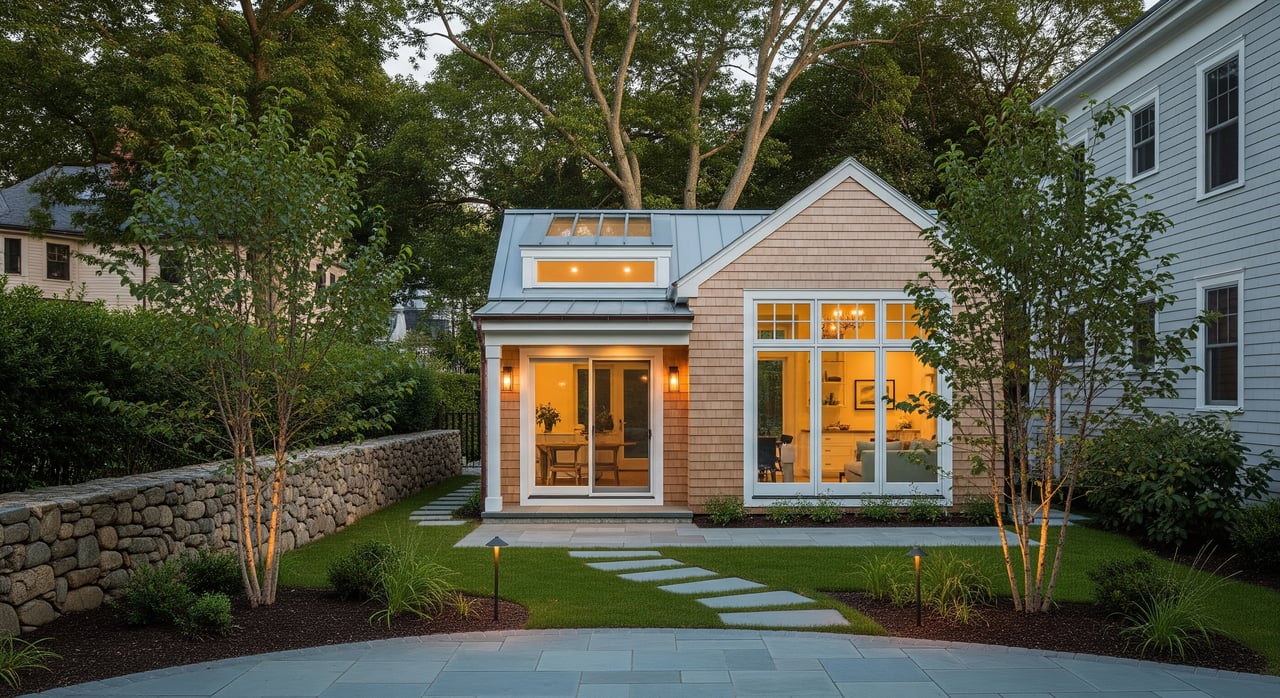
- Detached ADU: a freestanding backyard unit or a unit above a garage.
- Garage conversion: converted parking area or new unit over an existing garage.
Why homeowners add ADUs
- Multigenerational living with privacy for parents or adult children.
- Long-term rental income to help with housing costs.
- Space for a caregiver or live-in help.
- Flexible use as a home office, studio, or guest suite.
- A future downsizing option where you live in the ADU and rent the main home, subject to local rules.
Newton rules to research
Every city sets its own zoning and permitting framework for ADUs. In Newton, requirements can change, so it is important to confirm details with the City of Newton’s Planning & Development and Inspectional Services departments before you begin. Focus your research on the topics below to understand what applies to your property and project type.
Zoning district and overlays
- Identify your property’s zoning district using the city’s zoning map.
- Review whether ADUs are allowed by-right or need a special permit in your district.
- Check for overlays, conservation areas, floodplain, or historic district status that may add review steps.
Size, placement, and design
- Look for maximum ADU size and how it is measured, either a square footage cap or a percentage of the main home.
- Confirm setbacks, height limits, and lot coverage for detached units.
- Review any design standards intended to keep additions compatible with neighborhood character.
Occupancy, parking, and utilities
- Check if owner-occupancy is required or if non-owner rentals are allowed.
- Verify parking rules, including whether additional off-street spaces are required and any transit-based exemptions.
- Ask about utility metering and whether separate meters are required or recommended.
Permits and public process
- Clarify which permits you need for structural, electrical, plumbing, gas, and mechanical work.
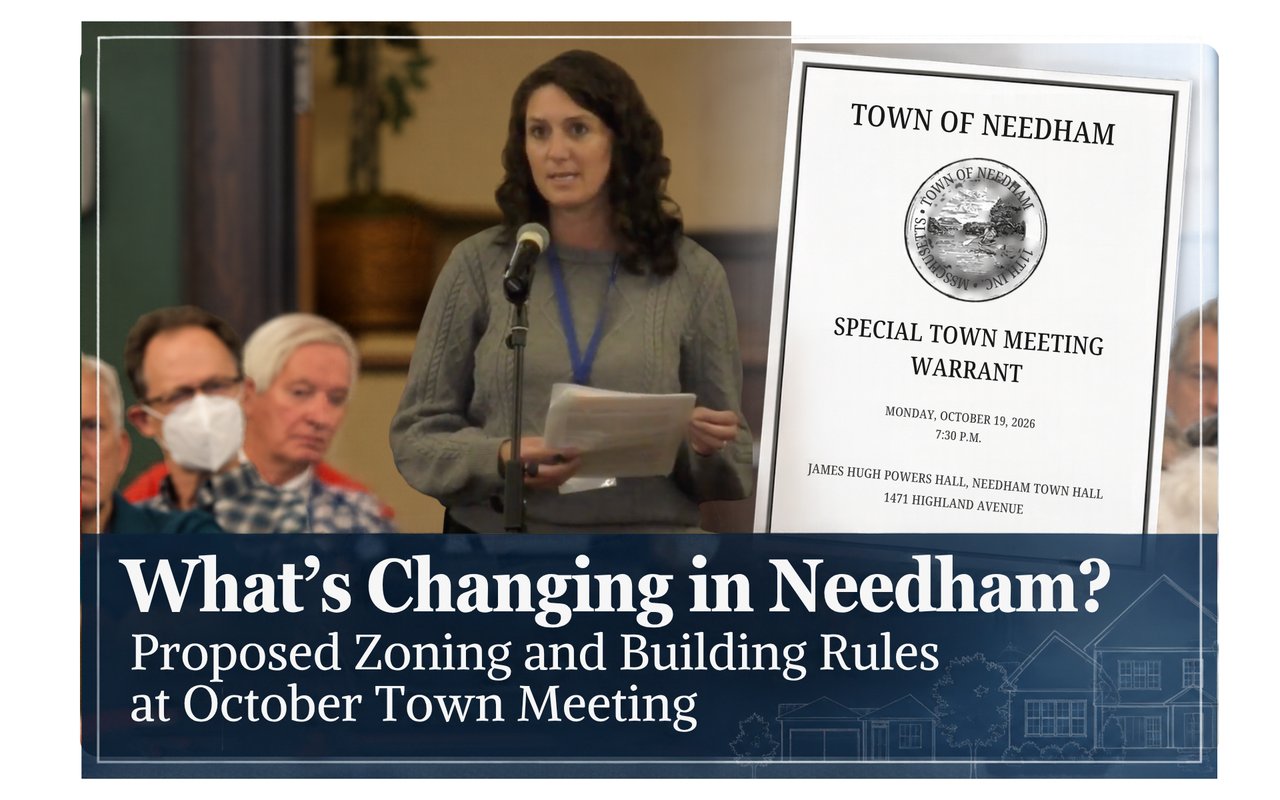
- Ask if your project triggers a public hearing before a board or commission.
- Confirm inspection milestones and final certificate of occupancy requirements.
First steps and feasibility checklist
Getting organized early saves time and money. Use this quick checklist to test feasibility and plan next moves.
Immediate checks you can do now
- Find your zoning district and note any special overlays.
- Search the zoning ordinance for “accessory dwelling,” “accessory apartment,” or “ADU.”
- Call Inspectional Services and Planning & Development for initial guidance.
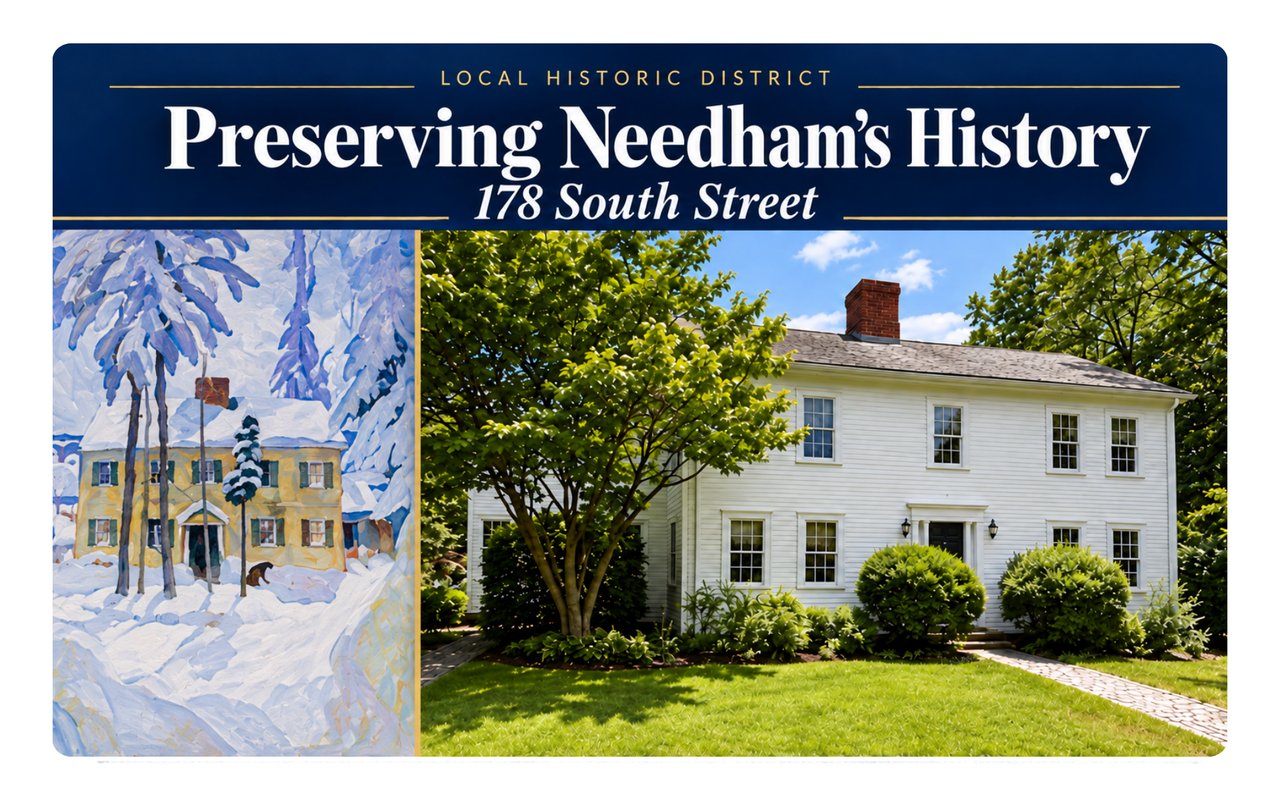
- If your home may be historic, ask about historical review and submission needs.
Property-level technical checks
- Lot size and coverage: confirm area, setbacks, and height limits for additions or detached units.
- Building layout: assess if a basement, attic, or side wing can meet egress and ceiling height rules.
- Utilities: check electrical capacity, plumbing, heating, and whether you are on sewer or septic.
- Parking and access: evaluate where a separate entrance and any off-street parking could go.
- Trees and site: note conservation or wetland constraints that could affect a backyard unit.
Assemble an ADU-ready team
- Architect or designer with local ADU experience for a feasibility sketch and code-informed layout.
- Contractor or builder who understands ADU timelines, costs, and inspections.
- Civil or site engineer if you plan driveway work, drainage changes, or a detached unit.
- City Planning & Development and Inspectional Services for pre-application guidance.
- Historic District Commission consultation if your property is in a district.
Step-by-step to get moving
- Confirm zoning allowances for your property and whether a special permit may be required.
- Ask for a pre-application meeting to review submittal items and likely review steps.
- Get a conceptual plan and rough cost estimate from your architect and builder.
- If you plan to rent, review local long-term and short-term rental rules and any registration needs.
- Create a project budget with line items for design, permits, construction, utilities, and a contingency.
Costs, timeline, and financing
Budget ranges vary by scope and site conditions, but planning the main cost categories helps you compare options.
Budget categories to include
- Design and engineering fees, and any survey work.
- Municipal fees for zoning applications, building permits, and inspections.
- Site work for foundation, grading, utilities, and driveways.
- Construction for structure, roofing, finishes, and all mechanical systems.
- Utility connections or upgrades, including separate meters if used.
- Furnishings and appliances if you will rent furnished.
- Contingency of 10 to 20 percent for renovations and new construction.
Typical cost and timeline patterns
- Interior conversion: generally the most budget-friendly, but code upgrades for egress, ceiling height, and full kitchen and bath can add cost.
- Attached or over-garage unit: mid-range cost, with possible structural and foundation work.
- Detached ADU: typically the most costly per unit due to foundation, utilities, and full site work.
- Timelines: design and feasibility can take 2 to 8 weeks; permitting may run 1 to 6 months depending on reviews; construction can take 2 to 9 months or more based on scope.
Financing, taxes, and insurance
- Financing options: home equity loans or lines of credit, cash-out refinance, renovation or construction loans, and specialized rehab programs.
- Property taxes: adding an ADU can increase assessed value. Contact the Assessor to understand potential impacts.
- Insurance: notify your insurer about structural changes and rental exposure if you plan to lease the unit.
- Rental income: long-term rental income is taxable and may factor into lending decisions.
Renting your ADU in Newton
If you intend to lease your ADU, plan ahead for compliance and operating needs. Many municipalities treat long-term rentals and short-term rentals differently and may require registrations or permits. Confirm Newton’s rules for rental duration, owner-occupancy, and any separate short-term rental regulations. Decide whether you will include utilities in rent or install separate meters to simplify billing.
Common pitfalls to avoid
- Underestimating review time, especially if a special permit or design review is required.
- Overlooking parking, access, or site constraints that complicate approvals.
- Missing historic district or conservation triggers that add steps or limit exterior changes.
- Forgetting code upgrades like egress, fire separation, or electrical service improvements.
- Treating short-term rental rules the same as long-term rentals and risking noncompliance.
Your local support plan
An ADU adds flexibility and value to your housing plan when it aligns with your goals and local rules. Start with the city for zoning and permits, and lean on an architect and contractor to shape a code-compliant design early. If renting is part of your strategy, outline your preferred lease term, tenant criteria, and maintenance plan before you break ground.
Ready to explore your options?
If you want a practical read on how an ADU could support your lifestyle or long-term plan in Newton, let’s talk. From value impacts to rental strategy and contractor introductions, you can get a clear roadmap that fits your goals. Connect with Berkshire Hathaway HomeServices resources and local vendor networks through a conversation with Alison Borrelli and map your next step.
FAQs
What is considered an ADU in Newton?
- An ADU is a self-contained secondary housing unit on the same lot as your primary home, with its own kitchen, bathroom, sleeping area, and living space.
Are ADUs allowed on my Newton property?
- It depends on your zoning district, lot size, and ADU standards; check the zoning map and ordinance, then confirm with Planning & Development.
Do I have to live on the property if I add an ADU?
- Some places require owner-occupancy while others do not; verify Newton’s current rules for your zoning district before you plan to rent.
How much does an ADU cost to build?
- Costs vary by type: interior conversions are often least expensive, attached units are mid-range, and detached units are typically highest due to site and utility work.
How long does an ADU project take in Newton?
- Many projects take 2 to 8 weeks for design, 1 to 6 months for permitting, and 2 to 9 months or more for construction depending on scope and reviews.
Can I rent an ADU short-term in Newton?
- Short-term rentals are commonly regulated separately from long-term leases; confirm Newton’s short-term rental rules and any registration requirements.
Do I need separate utility meters for an ADU?
- Not always; some owners prefer them for billing simplicity, but separate meters add cost. Ask Inspectional Services what is required for your plan.
Will neighbors be notified about my ADU project?
- If your project needs a special permit or variance, public notices and hearings are common; your case planner can explain the steps.