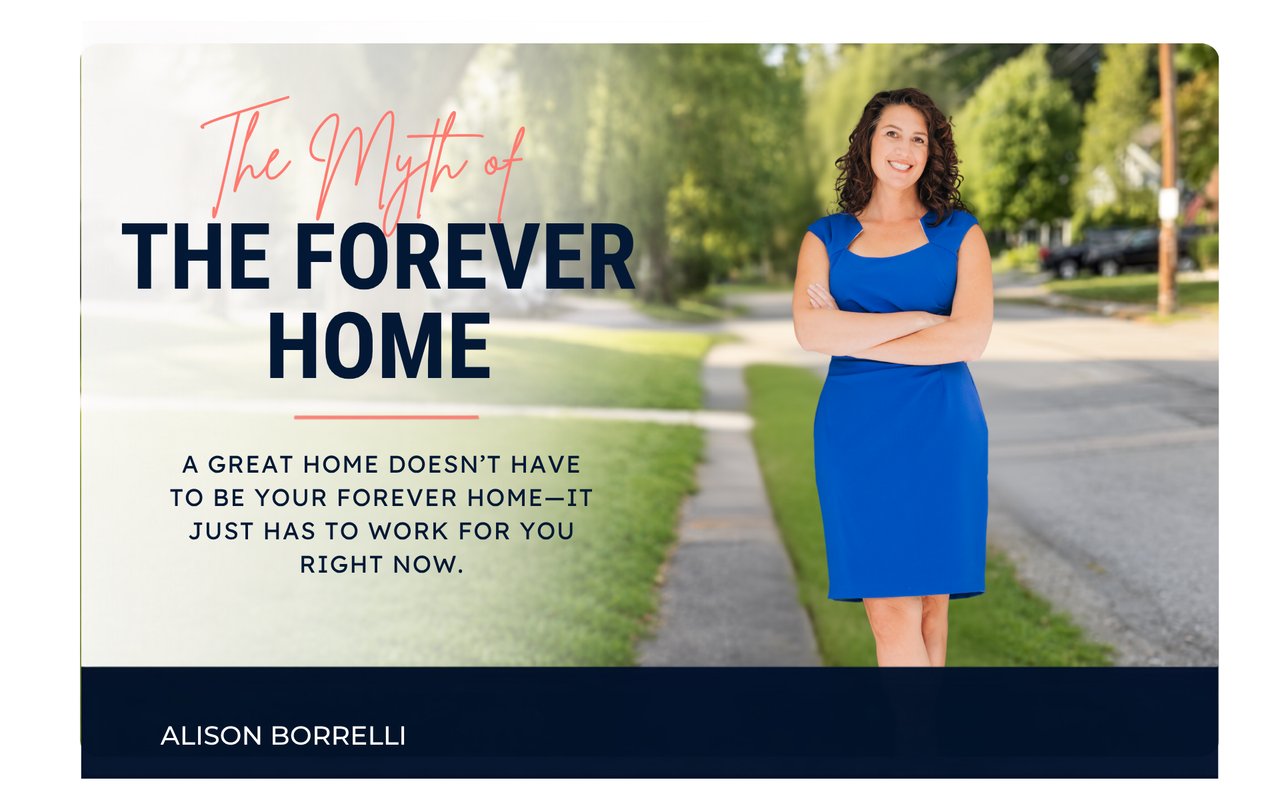
“Forever home” is one of those phrases we hear all the time in real estate.
Buyers talk about finding their forever home. Homeowners renovate with the idea that they'll stay forever. And when people start thinking about moving from a house they once thought they'd never leave, they sometimes wonder what changed.
Usually, the answer is pretty simple.
Life changed.
The House Didn't Change. You Did.
The home that was perfect when you bought it may not be the home that works best for you ten or fifteen years later.
Families grow. Kids leave. Jobs change. Commutes change. Parents age. People retire. Working from home becomes part of everyday life.
Sometimes you need another bedroom or a home office. Sometimes you're tired of maintaining rooms you rarely use. Maybe the big yard you once loved has become more work than you want. Maybe you'd rather have a first-floor primary suite, live closer to town, spend more time at the Cape, or have the flexibility to travel.
And sometimes there isn't a major life event at all.
Sometimes, you just want something different.
There's nothing unusual about that.
A Great Home Can Still Have Been the Right Home
I think this is where the idea of the “forever home” can put unnecessary pressure on people.
Moving doesn't mean you chose the wrong house.
You can love a home, raise a family there, make wonderful memories, improve it, take care of it and still eventually decide you're ready for something else.
That house may have been exactly right for one chapter of your life.
Now you're entering another.
Don't Try to Predict the Rest of Your Life
This applies to buyers, too.
Of course, you should think ahead when buying a home. If you're planning to have children, change jobs, work from home, retire soon or make another significant life change, those things should be part of the conversation.
But there's a difference between planning ahead and expecting a house to accommodate every possible version of your life for the next 30 years.
That's a lot to ask of a house. And it's a lot to ask of yourself.
Instead of asking:
“Is this my forever home?”
Maybe the better question is:
“Is this the right home for the life I'm living now and the next chapter I can reasonably see?”
That's a very different way to approach a home purchase.
When Your “Forever Home” Doesn't Feel Forever Anymore
The same thinking can help if you already own a home and have started wondering whether it's still right for you.
You don't necessarily have to move.
Sometimes the answer is renovating. Sometimes it's rebuilding. Sometimes it's reconfiguring how you use the space. And sometimes, after looking at all of those options, moving makes the most sense.
The important part is figuring out what you're trying to solve before deciding what comes next.
What isn't working anymore? What would you want to be different? What do you love about where you live now? What would you be willing to give up? And what would make your next chapter easier or better?
Those questions are much more useful than asking whether you're “supposed” to stay.
Your Next Home Doesn't Have to Be Your Last Home
Real estate decisions don't have to be permanent to be good decisions.
A starter home can be the right home. A larger family home can be the right home. A condo can be the right home. A downsized home can be the right home. And yes, sometimes you really do find the house where you happily stay for the rest of your life.
There's no single right way to do it.
A great home doesn't have to be a forever home to have been the right home.
If you're starting to wonder whether your current home still fits the life you're living, or you're trying to figure out what you need from your next one, let's talk through the options. Sometimes the best place to start isn't with a home search or a For Sale sign. It's simply with a conversation.
Please reach out because I'm always happy to help.