Torn between the crisp convenience of a brand‑new build and the charm of a classic Colonial in Wellesley? You are not alone. In a town where rules, timelines, and budgets all matter, the smarter buy is the one that fits your lifestyle and risk tolerance as much as your wish list. In this guide, you will learn how Wellesley’s zoning, reviews, energy codes, taxes, and market tiers shape your options so you can compare confidently. Let’s dive in.
Wellesley price reality
Before you compare home styles, set expectations. The town’s FY2026 Tax Classification slides show a single‑family median assessed value of about $1,751,000 and a single tax rate of $10.17 per $1,000. These municipal figures help you estimate baseline property taxes and understand where a listing sits relative to town norms. Review the FY2026 tax slides if you want the full assessment context.
Public market indicators vary month to month, but a practical takeaway is this: under the assessed median you will often find smaller or heavily updated older homes; around and above the median you will see many 3,000 to 4,500 square foot single‑family options; and above $2.5M you will see larger lots and more recent construction or substantial renovations. Use the assessed median as a helpful anchor while you evaluate current listings.
What your lot allows
In Wellesley, the land dictates a lot about your next home. Single Residence zoning districts set minimum lot areas: SR10 = 10,000 sq ft, SR15 = 15,000 sq ft, SR20 = 20,000 sq ft, SR30 = 30,000 sq ft, SR40 = 40,000 sq ft. Frontage, setbacks, and lot coverage also apply. These rules affect whether a parcel is buildable and how large a replacement house can be. You can see the dimensional framework in the town’s Strategic Housing Plan.
If a new build or major addition pushes size, Wellesley’s Large House Review may apply. The review is triggered by TLAG (Total Living Area plus Garage) thresholds such as 3,600 sq ft in SR10, 4,300 sq ft in SR15, 5,900 sq ft in SR20, and 7,200 sq ft in SR30/40. The process includes neighborhood notice and a targeted 90‑day decision timeline. Read the Large House Review rules to understand the thresholds for your lot.
Historic context matters too. Wellesley has local historic districts and a townwide Historic Preservation Demolition Review bylaw that applies to homes built on or before December 31, 1949. If triggered, it can impose up to a 12‑month delay before a demolition permit is issued. That does not ban redevelopment, but it adds time and planning. Learn more on the Historic Districts page and the Demolition Review bylaw.
New construction: pros and tradeoffs
New homes in Wellesley must meet the Massachusetts State Building Code and the town’s adopted Stretch and Specialized energy code pathway. Effective January 1, 2024, Wellesley uses the Municipal Opt‑in Specialized (net‑zero pathway) code, which sets higher expectations for insulation, air sealing, mechanical ventilation, and electrification readiness. You can confirm code context on the town’s Building Codes page and see policy goals on the Climate Action Buildings Dashboard.
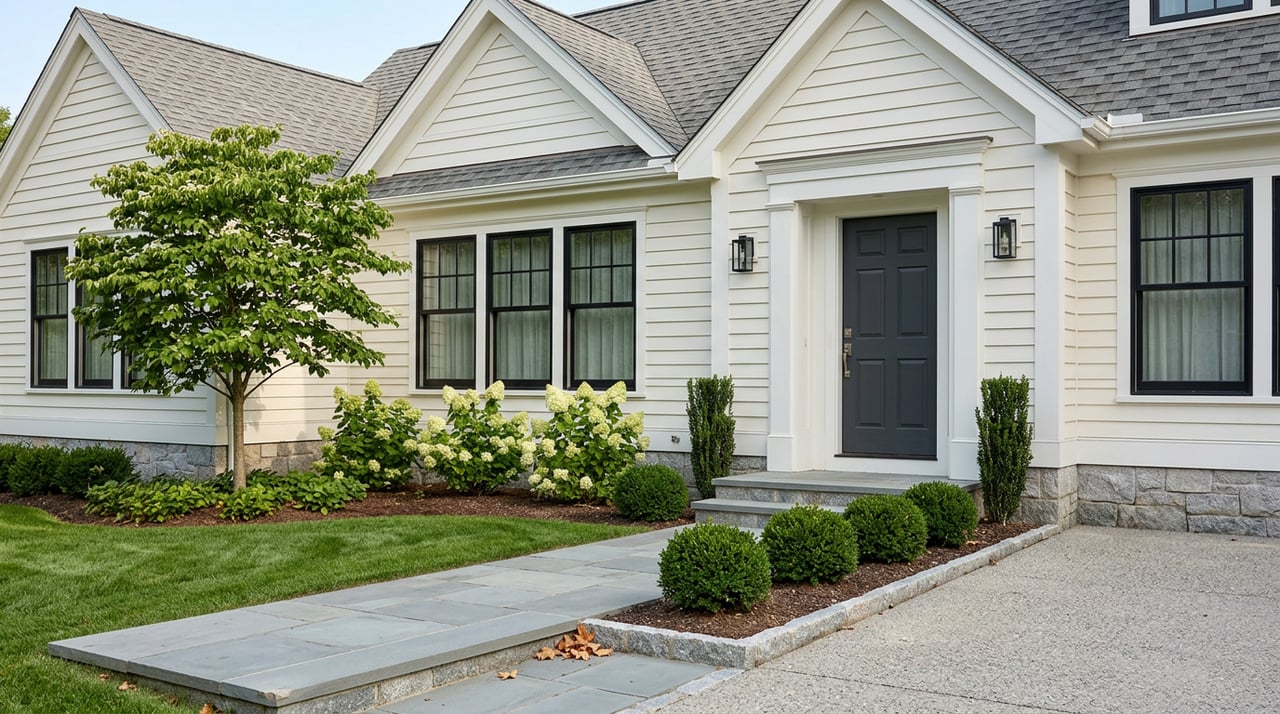
What that means for you: new builds in town typically offer lower baseline energy use, EV‑ready wiring, and easier pathways to all‑electric systems like heat pumps. You may see fewer near‑term retrofit needs compared with older homes.
Other benefits of new construction include modern floor plans, new roofs and systems, and builder warranties. Many builders provide a tiered warranty package, often known as 1‑2‑10: one year on workmanship, two years on major systems, and ten years on structural items. Always request terms in writing and clarify what is covered.
Tradeoffs include higher purchase prices, premium finishes that can stretch budgets, and potential design reviews if you exceed TLAG thresholds. If you are buying a teardown lot, add the time and visibility of Large House Review to your planning. Also budget for site work and soft costs such as engineering, drainage plans, and tree protection when applicable.
Classic Colonial: pros and tradeoffs
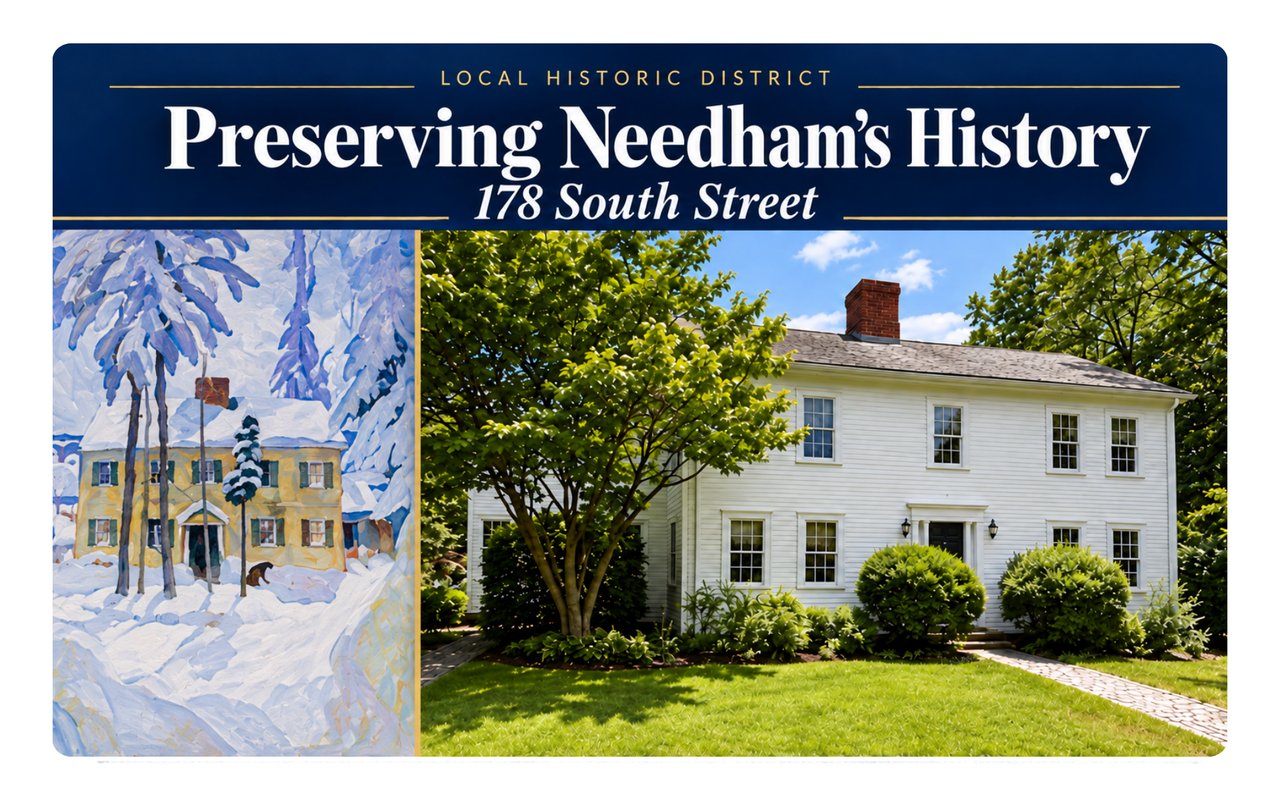
The classic Wellesley Colonial offers enduring curb appeal, established streetscapes, and mature lots. You may find central locations near commuter rail or town centers, and the architecture can provide timeless symmetry that many buyers love.
On the flip side, plan for diligent inspections and potential upgrades. Older homes can include aging roofs or chimneys, older wiring such as knob‑and‑tube, cast‑iron plumbing, and older heating systems. If you intend to add square footage or consider a future rebuild, check whether the home’s vintage triggers Demolition Review and whether your lot and design would require Large House Review. Those steps add timeline and design considerations to your plan. The Demolition Review bylaw outlines eligibility and process.
Energy performance will vary widely in older stock. Some Colonials have been well upgraded; others will benefit from a home energy assessment and a long‑term plan for insulation and mechanical improvements. Wellesley’s Climate Action efforts and utility programs have supported electrification and weatherization across the housing stock. Check the town’s Buildings Dashboard for context, then review any seller‑provided energy records.
Permits and timeline: what to expect
For a straightforward new‑construction or major‑renovation permit, the town indicates an initial completeness review of about 10 to 14 days. Projects that also require Large House Review, Design Review, Conservation Commission approvals, or Demolition Review will add weeks or months. Public notices and meetings are part of several of these processes, so plan accordingly. See the town’s Building Permit guidance for the basic steps.
Additional reviews that can affect schedule and cost include:
- Demolition Review for eligible pre‑1950 structures.
- Large House Review if you exceed TLAG thresholds.
- Conservation Commission review for wetlands or buffer zones.
- Special permits or site plan approvals for larger infill contexts.
Build your calendar with these checkpoints in mind, then add weather and contractor lead times for a realistic move‑in date.
Commute and daily life
If you value train access, Wellesley’s three MBTA commuter rail stations — Wellesley Square, Wellesley Hills, and Wellesley Farms — offer rides to Boston that typically range from about 30 to 45 minutes depending on the train and service pattern. Station areas and key corridors are also where the town uses planning tools and overlays to guide redevelopment. For a policy overview, see the town’s MBTA‑Communities presentation. By car, Route 9 and I‑95 provide regional access for work and weekend travel.
New vs. Colonial: quick comparison
Choose a new build if you want:
- Higher baseline energy performance and electrification readiness.
- Modern layouts with large kitchens, suites, and mudrooms.
- New systems under warranty and fewer near‑term capital projects.
- A clean slate for finishes and technology.
Choose a classic Colonial if you want:
- Established neighborhoods and mature landscaping.
- Architectural character with traditional proportions.
- The potential to add value through targeted updates.
- Centrality near rail or town centers, depending on the address.
Your best choice balances lifestyle, timeline, and tolerance for projects or reviews.
What your budget buys in Wellesley
Use the assessed median — about $1.75M in FY2026 — as your anchor. In practical terms:
- Below the median: smaller or efficiently updated older homes; some attached options in nearby nodes.
- Around and above the median: many move‑up single‑family homes in the 3,000 to 4,500 square foot range.
- Above $2.5M: larger lots, recent construction, or significant renovations.
Construction costs in Greater Boston are high due to land, labor, and permitting. This is why many new Wellesley homes are built as teardowns on existing lots rather than in large subdivisions. When comparing price per square foot, focus on total project costs and timeline risk rather than chasing a single benchmark.
Energy, operating costs, and incentives
Because Wellesley has adopted the Specialized stretch code, new homes must meet stronger energy standards than older stock. Expect tighter envelopes, balanced ventilation, and EV readiness. That typically means lower energy use per square foot and an easier path if you want to go all‑electric. You can confirm the policy context on the Building Codes page and explore town initiatives on the Buildings Dashboard.
For existing homes, ask for recent utility data and any energy audit reports. If you plan upgrades, get quotes for insulation, air sealing, and heat pumps so you can compare lifetime operating costs across options.
Buyer checklist: decide with confidence
Use this short list to compare a Wellesley new build and a classic Colonial side by side.
- Budget the whole picture. Include purchase price, design and permitting, site work, contingency, and property taxes using the town’s FY2026 rate of $10.17 per $1,000 as a starting point. Reference the tax slides.
- Confirm zoning early. Identify the SR district (SR10, SR15, SR20, SR30, SR40), minimum lot size, frontage, setbacks, and lot coverage. Check whether your plan crosses a Large House Review threshold. See the Strategic Housing Plan and Large House Review rules.
- Check historic and demo rules. If the home predates 1950 or sits in a historic district, factor in a possible 12‑month demolition delay or additional design oversight. Read the Demolition Review bylaw and the Historic Districts page.
- Validate energy performance. For new builds, request code compliance documentation and modeled ratings. For older homes, review utility history and schedule an energy assessment. See the town’s Buildings Dashboard for local program context.
- Compare warranties and scopes. Ask builders for a written warranty and a detailed specifications list so you can compare “apples to apples” with renovated older homes.
- Plan inspections for older homes. Hire an experienced home inspector and consider specialists for chimneys, roofs, electrical, plumbing, sewer or septic, and potential lead paint.
- Map your timeline. Use the town’s Building Permit guidance to outline key steps, then add time for any Large House, Demolition, Conservation, or Design Reviews.
- Think commute and convenience. If rail access matters, focus on homes within walking distance of Wellesley’s three stations. For planning context, see the MBTA‑Communities presentation.
Ready to compare real homes and lots that fit your plan? With local knowledge, design and permitting awareness, and data‑driven negotiation, you can move forward with confidence. If you want a tailored short list, off‑market insights, or help modeling timelines and costs, reach out to Alison Borrelli for a thoughtful, client‑first strategy.
FAQs
What should I budget for Wellesley property taxes?
- The town’s FY2026 single‑family median assessed value is about $1,751,000 with a tax rate of $10.17 per $1,000. Use these figures as a baseline and adjust to the assessed value of the specific home.
How does Large House Review affect a teardown plan in Wellesley?
- If your design exceeds TLAG thresholds (for example, 3,600 sq ft in SR10 or 5,900 sq ft in SR20), you will need Large House Review, which adds design scrutiny, neighbor notice, and time. Start design and permitting planning early.
Will a pre‑1950 Colonial face demolition delays?
- Possibly. Wellesley’s Demolition Review bylaw can impose up to a 12‑month delay for structures built on or before December 31, 1949. Confirm the home’s age and factor the review into your schedule.
Are new Wellesley homes more energy efficient by default?
- Yes. New builds must meet the state code and Wellesley’s Specialized stretch energy code pathway, which raises standards for the building envelope and systems. This typically lowers baseline energy use compared with older homes.
How long does a building permit take for new construction?
- The town notes an initial completeness review of about 10 to 14 days for new construction. Projects that also require Large House Review, Demolition Review, or Conservation approvals will add weeks or months, so build in cushion time.