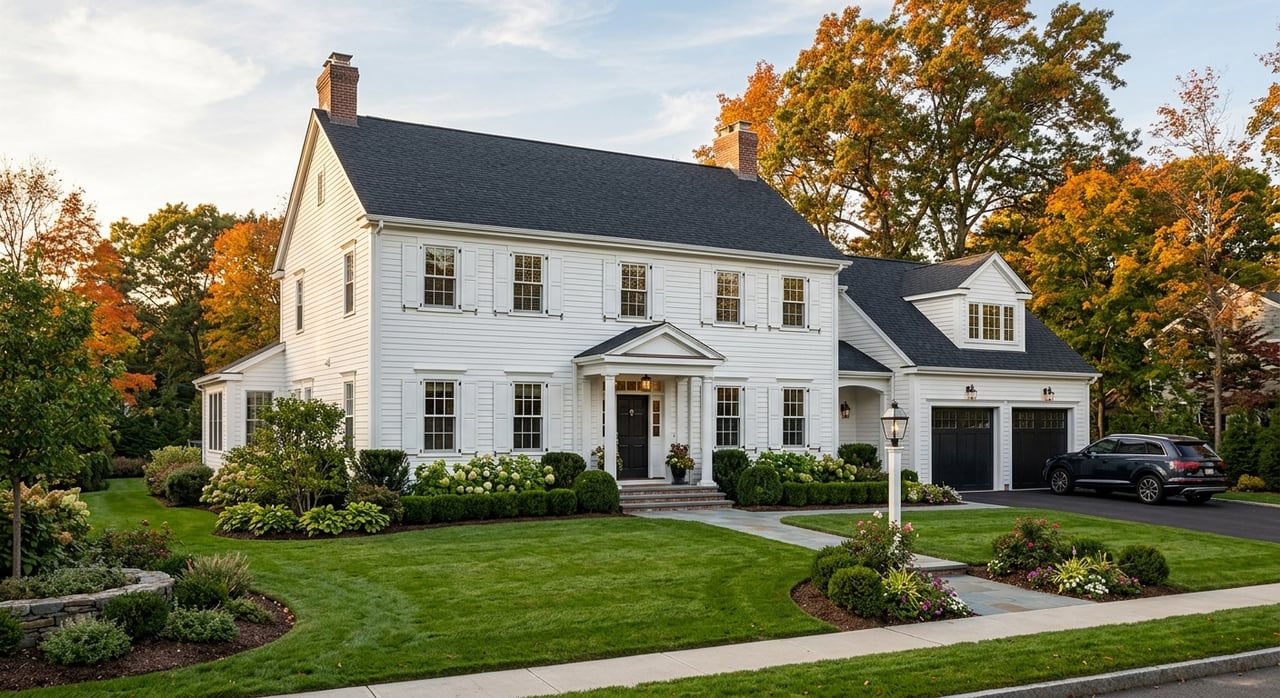
Buying an investment property or vacation home can be an exciting opportunity. Whether you're hoping to generate rental income, build long-term wealth, or simply enjoy a second home that helps pay for itself, asking the right questions before making an offer is essential.
While no property is guaranteed to be a great investment, taking the time to evaluate both the numbers and the property itself can help you make a more informed decision.
Here are 15 questions I encourage buyers to consider before purchasing an investment or vacation property.
1. Are Short-Term Rentals Allowed?
Before anything else, verify that short-term rentals are permitted.
Some towns, condominium associations, and homeowners associations have restrictions on rental duration, occupancy limits, or licensing requirements. Understanding these rules upfront can save you from unexpected surprises after closing.
2. What Are Similar Properties Actually Renting For?
Online estimates can be helpful, but they don't always reflect reality.
Look at comparable rentals with similar size, location, amenities, and condition to develop realistic expectations for rental income.
3. How Seasonal Is the Rental Market?
Many vacation markets experience significant seasonal fluctuations.
Understanding when demand is highest and when vacancies are more common will help you estimate annual income more accurately.
4. What Will It Cost to Own Each Month?
Ownership costs extend far beyond the mortgage.
Consider:
- Property taxes
- Insurance
- Flood insurance (if applicable)
- Utilities
- HOA fees
- Maintenance
- Cleaning
- Property management
- Other recurring expenses
Having a realistic monthly budget is just as important as estimating rental income.
5. Does the Property Require Flood Insurance?
In many coastal communities, flood insurance may be required or strongly recommended.
Understanding this cost before purchasing can significantly impact your overall budget.
6. What Condition Are the Major Systems In?
Ask about the age and condition of:
- Roof
- Heating and cooling systems
- Water heater
- Windows
- Appliances
- Septic system (if applicable)
Major repairs can quickly change the financial picture.
7. Will Renters Find the Property Attractive?
Think like a guest.
Features such as updated kitchens, outdoor living spaces, walkability, parking, air conditioning, and proximity to beaches or attractions can have a meaningful impact on rental demand.
8. Will You Manage the Property Yourself?
Some owners enjoy managing reservations and guest communication themselves.
Others prefer hiring a professional property manager.
Factor management costs into your overall budget if you don't plan to self-manage.
9. What Cleaning and Turnover Costs Should You Expect?
Vacation rentals require frequent cleaning between guests.
These expenses should be included when estimating annual ownership costs.
10. Are There Local Taxes or Licensing Requirements?
Many communities require short-term rental registration or collect occupancy taxes.
Understanding local regulations before purchasing helps avoid unexpected costs or compliance issues.
11. What Are Your Financing Options?
Investment properties and second homes often have different financing requirements than a primary residence.
Speaking with a lender early in the process can help you understand your purchasing power and monthly costs.
12. Are You Comfortable With Some Vacancy?
Very few properties stay booked every week of the year.
Building conservative vacancy assumptions into your projections creates more realistic expectations.
13. How Much Time and Money Will Ongoing Maintenance Require?
Every property requires upkeep.
Regular maintenance, landscaping, repairs, and occasional updates should all be part of your long-term planning.
14. What Is Your Long-Term Goal?
Are you purchasing primarily for:
- Rental income?
- Long-term appreciation?
- Family vacations?
- Retirement?
- A combination of all three?
Knowing your priorities will help guide your decisions.
15. Have You Compared Multiple Properties Side by Side?
One of the biggest mistakes buyers make is evaluating properties individually instead of comparing them consistently.
Using the same assumptions for rental income, ownership costs, and expenses makes it much easier to identify which opportunity best fits your goals.
That's exactly why I created my Vacation Home & Investment Property Comparison Worksheet. It allows you to compare multiple properties using estimated seasonal rental income and monthly ownership costs so you can make more informed decisions.
Final Thoughts
Buying an investment property isn't just about finding a home you love—it's about understanding how that property fits your financial goals, lifestyle, and long-term plans.
Asking thoughtful questions before making an offer can help you avoid surprises and make decisions with greater confidence.
If you're considering a vacation home or investment property and would like help evaluating different opportunities, I'd be happy to help. Whether you need to compare locations, estimate rental potential, or simply talk through the numbers, please don't hesitate to reach out.
Disclaimer: This article is intended for educational purposes only and should not be considered financial, tax, legal, or investment advice. Every property and buyer's situation is unique. Please consult your financial, tax, and legal advisors before making investment decisions.